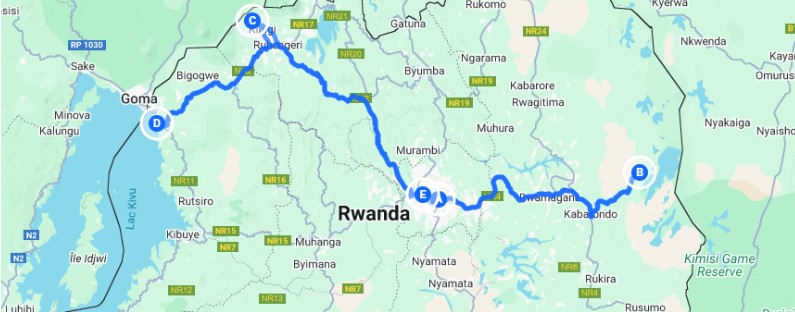

Day 2 | Kigali – Akagera National Park
Day 2 takes you from Kigali to Akagera National Park, Rwanda’s only savannah reserve, located along the Tanzanian border. Covering 112,000 hectares, it offers a striking contrast to Rwanda’s green hills, with acacia woodlands, rolling grasslands, swamps, and lakes fed by the Akagera River.
The park is home to the Big Five, including recently reintroduced black rhinos, alongside giraffes, zebras, antelopes, and over 500 bird species, such as the rare shoebill. Visitors enjoy morning and afternoon game drives, plus a scenic boat ride on Lake Ihema. Akagera’s diversity and inspiring conservation story make it a highlight of Rwanda’s wildlife experience.


Day 3 | Akagera National Park
Full day safari in Akagera. Game drive from south to north. During the game drive along a well designed network of tracks, there are plenty of animals one can see including elephants, buffalo, zebra, bushbaby, antelopes and many other mammal species.
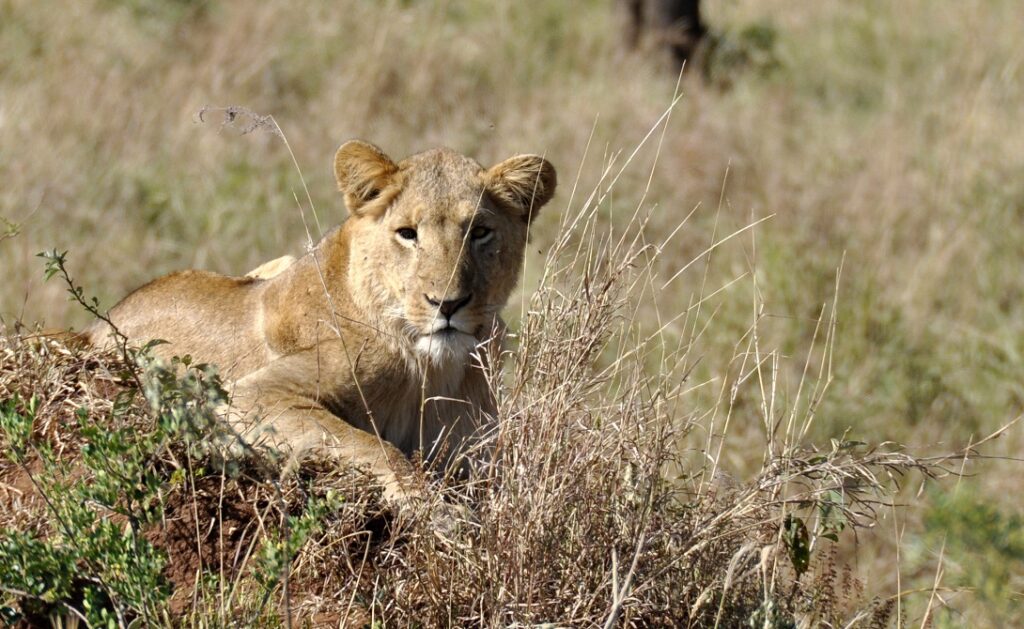
On rare occasions, one can see species such as leopard, lion and black rhino. As one of the most scenic savanna in East Africa, the game drive in Akagera provides an opportunity to see gentle hills blending in beautifully with lowland swamps and water bodies.


Drive around 5 to 6 hours from Akagera National park to Volcanoes National Park. Lunch in Kigali. Afternoon, follow the road as it climbs to the base of the majestic volcanoes, with spectacular views across the five peaks. Continue toward Volcanoes NP. Overnight at Volcanoes National Park’s edge.


Day 5 | VOLCANOES NP: Tracking The Racking the Mountain Gorillas
After waking at sunrise, there is short drive to the park headquarters, where briefings, porters and coffee awaits before stepping into the cool forests to begin the adventure. Guides help steady the pace, with stops for water, signs of gorillas and a chance to soak up the views of the valleys below. As the first light of dawn breaks through the curtain of mist clinging to the summits of Karisimbi, Bisoke, Sabyniyo, Gahinga and Muhabura, we make our way into the Parc National des Volcans.
Tracking the gorillas through the unique vegetation can take several hours of challenging walking in wet and muddy conditions. Once you reach the gorillas, you can spend an hour with them and be back at base in time for a late lunch! To see gorillas, the trek will have been worth the hardship.


Day 6 | VOLCANOES NP: Tracking the Racking the Golden Monkeys - Visit Twin Lakes Burera and Ruhundo
An Elusive Treasure in the Virunga Mountains This little known monkey is one of the most endangered primates in Africa and it is now thought that the only viable population of these monkeys is in the Virunga Volcanoes. A smaller population may exist in the Nyungwe Forest in Southern Rwanda but this has yet to be verified.
The golden monkey is a distinct species of guenon – Cercopithecus Kandti and is endemic to the Albertine Rift. Back to the lodge for lunch.Afternoon visit twin lakes, Burera and Ruhondo.


Day 7 | VOLCANOES NP: Optional Additional Activities
Day 7 offers optional activities in Volcanoes National Park before continuing to Lake Kivu. Choices include a second gorilla trek, golden monkey tracking, climbing Mount Bisoke with its stunning crater lake, or visiting Dian Fossey’s Karisoke Research Center and grave.
The Fossey hike is a powerful journey through lush forests, offering wildlife sightings and insight into her pioneering conservation work and legacy protecting mountain gorillas. Each option provides unique experiences, from breathtaking scenery to encounters with endangered species. In the afternoon, travel to Rubavu on Lake Kivu’s northern shore for dinner and overnight at Paradise Malahide Resort.


Day 8 | Lake Kivu - KIGALI
Enjoy during the early morning hours the peaceful atmosphere of the calm and pristine waters of Africa’s highest lake. Return to Kigali. Lunch and airport transfer.
Safe travels and see you on your next adventure!

Accommodation
Where You’ll Stay
Where Every Detail Meets Your Dream


The excellent hotels listed in the itinerary serve as examples of the standard of accommodation offered on the trip. In cases where the listed hotels are not available, you will be offered hotels or lodges of an equivalent standard.
Everything You Need to Know
When is the best time to visit?
Rwanda: Best months are June–September and December–February (dry seasons). Roads are easier, treks less muddy.
Uganda: Same cycle — June–August and December–February.
Gorilla trekking is possible year-round, but rainy months (March–May, Sept–Nov) make trails slippery.
What can I expect from a safari with African Safaris Experts?
Expect a seamless, high-end experience combining thrilling wildlife encounters with comfortable, hand-picked lodges and professional local guides. Every detail is curated—from scenic game drives in private 4×4 vehicles to cultural visits with local tribes and personalized service throughout the journey.
Can I personalize my safari and beach itinerary?
Absolutely. All our trips are fully customizable. Whether you’re traveling as a couple, family, or private group—we tailor every element to your interests, including dates, accommodations, pace, and even special experiences like hot air balloon rides or beach dinners in Zanzibar.
Will I see gorillas and other key wildlife?
Rwanda: Almost guaranteed gorilla sightings in Volcanoes National Park (high success rate). Also golden monkeys, Nyungwe chimpanzees, Akagera Big Five (lions, elephants, rhinos, leopards, buffalo).
Uganda: Also near-guaranteed gorilla sightings in Bwindi or Mgahinga. More diversity: chimpanzees (Kibale), tree-climbing lions (Ishasha), Murchison Falls safaris, birdlife, plus hippos, elephants, giraffes.
Is it safe for travelers?
Rwanda: One of the safest countries in Africa; very organized, clean, low crime rate. Kigali is often ranked among Africa’s safest capitals.
Uganda: Generally safe in tourist areas and parks, though road conditions and long travel times can be more challenging.
Do I need a visa to enter?
Rwanda: Most travelers need a visa(≈50 USD) -exempted francophonie members and commonwealth members country. Visa delivered at the arrival without any prior request.
Uganda: E-visa required (≈50 USD).
Yellow fever vaccination is compulsory if you want to enter Uganda.
An East Africa Tourist Visa is useful if you plan to combine the two countries.
What should I pack for my safari and beach stay?
Clothing: Neutral-colored, lightweight clothes for safari. Long sleeves & pants for treks (to protect from thorns/insects).
Shoes: Waterproof hiking boots for gorilla trekking (trails can be steep and muddy).
Gear: Rain jacket, hat, sunscreen, insect repellent, gloves (for grabbing vegetation while trekking).
Essentials: Refillable water bottle, small backpack, binoculars, camera with extra batteries.
Optional: Gaiters for muddy conditions, walking stick (parks sometimes provide).