
Day 2 | Machame Camp (3,000 m) – Shira Camp (3,840 m / 12,600 ft)
After breakfast, climb out of the rainforest into the moorland zone. The trail ascends a rocky ridge with expansive views of Kibo Peak and the Shira Plateau.
Arrive at Shira Camp, set on an open plain with stunning sunset views over Mount Meru. Temperatures drop significantly at night.


Day 3 | Shira Camp (3,840 m) – Lava Tower – Barranco Camp (3,850 m / 12,960 ft)
Today’s trek offers excellent acclimatization. Ascend steadily toward the Lava Tower (4,630 m), a striking volcanic formation. After lunch, descend to Barranco Camp, located below the Great Barranco Wall — one of the most scenic spots on Kilimanjaro.
This climb-high, sleep-low pattern helps prepare your body for higher altitudes.


After breakfast, tackle the Barranco Wall, an exhilarating scramble that rewards you with panoramic views. Continue through alpine terrain toward Karanga Valley, then ascend to Barafu Camp, the base for your summit attempt.
At Barafu, rest early, enjoy a hearty dinner, and prepare for your midnight summit push.


Day 5 | Barafu Camp – Uhuru Peak (5,895 m / 19,340 ft) – Mweka Camp (3,110 m / 10,170 ft)
Your summit day begins around midnight. Trek slowly but steadily toward Stella Point (5,756 m) on the crater rim, then continue to Uhuru Peak, the highest point in Africa.
Celebrate your success at the top, capturing sunrise over the glaciers before descending back to Barafu Camp for a short rest and lunch. Continue downhill to Mweka Camp for your final night on the mountain.


After breakfast, descend through the rainforest to Mweka Gate, where you’ll receive your summit certificate. Expect a joyful celebration with your crew before transferring back to your hotel in Arusha or Moshi


For better acclimatization and summit success, consider adding an extra rest day at Karanga Camp between Days 4 and 5. This additional day allows your body to adjust to the altitude and increases your chance of a successful summit.
Safe travels and see you on your next adventure!


Accommodation
Where You’ll Stay
Climbing Kilimanjaro is a full-service camping experience designed for comfort and safety at high altitude.
Along the Machame Route, you’ll stay in well-equipped mountain tents set up daily by your crew at scenic campsites — from the lush rainforest to the alpine slopes near the summit.
Each camp provides:
- Spacious two-person tents with thick sleeping mats
- A communal dining tent for warm meals prepared by your mountain chef
- Private washing facilities with warm water
- Support staff and porters who handle logistics so you can focus on the climb
Expect hearty, freshly prepared meals, professional guides, and an experienced team dedicated to your comfort, safety, and summit success.
Every detail — from your morning coffee to your summit celebration — is handled with care.


The excellent hotels listed in the itinerary serve as examples of the standard of accommodation offered on the trip. In cases where the listed hotels are not available, you will be offered hotels or lodges of an equivalent standard.
Everything You Need to Know
When is the best time to visit Tanzania?
Tanzania is a year-round destination, but the dry season from June to October is best for safaris, especially for spotting large wildlife and witnessing the Great Migration. If you’re interested in birdlife or lush green landscapes, the green season (November to March) is also a beautiful and quieter time to travel.
What can I expect from a safari with African Safaris Experts?
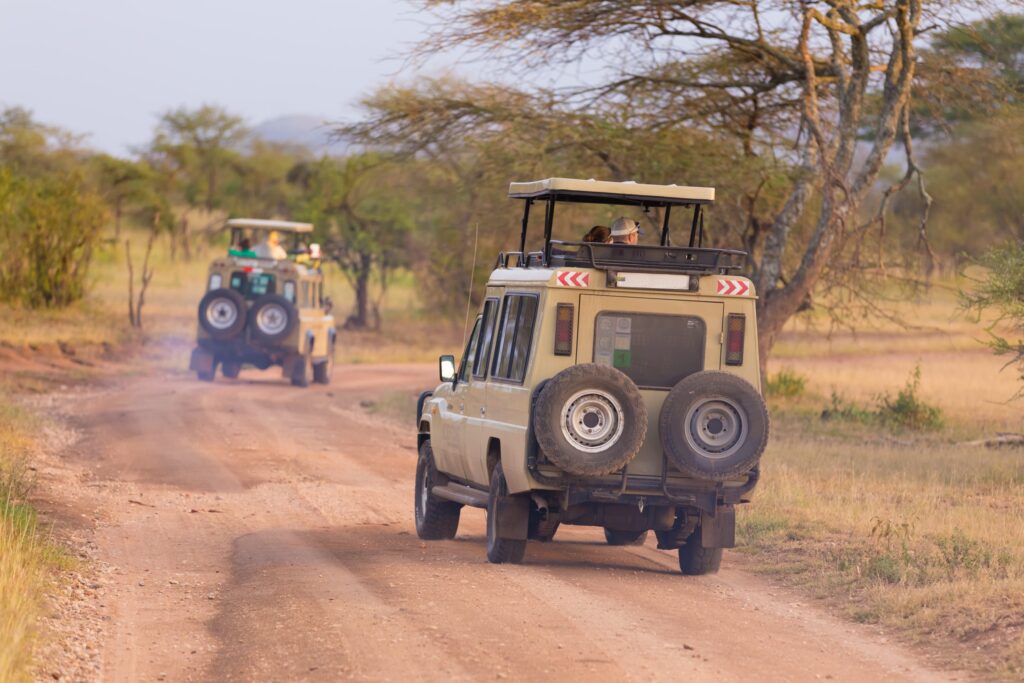
Expect a seamless, high-end experience combining thrilling wildlife encounters with comfortable, hand-picked lodges and professional local guides. Every detail is curated—from scenic game drives in private 4×4 vehicles to cultural visits with local tribes and personalized service throughout the journey.
Can I personalize my safari and beach itinerary?
Absolutely. All our trips are fully customizable. Whether you’re traveling as a couple, family, or private group—we tailor every element to your interests, including dates, accommodations, pace, and even special experiences like hot air balloon rides or beach dinners in Zanzibar.
Will I see the Big Five in Tanzania?
Yes! Tanzania offers some of the best chances in Africa to see all members of the Big Five—lion, leopard, elephant, buffalo, and rhino—especially in places like Ngorongoro Crater and the Serengeti. Our guides are experts at tracking wildlife to give you the best possible sightings.
Is Tanzania safe for travelers?
Yes. Tanzania is generally very safe and welcoming for tourists. We work only with trusted local partners, and all transportation, guides, and accommodations meet high safety standards. As with any international travel, we recommend following local guidelines and securing travel insurance.
Do I need a visa to enter Tanzania?
Yes, most travelers require a visa to enter Tanzania. You can apply online via the official e-visa portal or obtain a visa on arrival at the airport. We provide all the necessary guidance and links once your trip is confirmed.
What should I pack for my safari and Zanzibar stay?
Pack light, breathable clothing in neutral colors for safari days, along with a warm layer for cooler evenings. Don’t forget a sunhat, sunscreen, insect repellent, comfortable walking shoes, swimwear, and a waterproof jacket. We’ll send you a detailed packing checklist before departure.